


Physical Development
Statutory guidance – what we have to teach
The EYFS sets out the ‘Educational Programme’ for Physical development:
Educational Programme : Physical activity is vital in children’s all-round development, enabling them to pursue happy, healthy and active lives. Gross and fine motor experiences develop incrementally throughout early childhood, starting with sensory explorations and the development of a child’s strength, co-ordination and positional awareness through tummy time, crawling and play movement with both objects and adults. By creating games and providing opportunities for play both indoors and outdoors, adults can support children to develop their core strength, stability, balance, spatial awareness, co-ordination and agility. Gross motor skills provide the foundation for developing healthy bodies and social and emotional well-being. Fine motor control and precision helps with hand-eye co-ordination, which is later linked to early literacy. Repeated and varied opportunities to explore and play with small world activities, puzzles, arts and crafts and the practice of using small tools, with feedback and support from adults, allow children to develop proficiency, control and confidence.


Our Physical Development Curriculum
At Whitegate our children often come into Nursery School with strong gross motor skills and have a great deal of confidence exploring their environment with their whole bodies e.g. riding a bike, climbing equipment and running whilst avoiding obstacles, skills they have typically built from playing outside their house or in their gardens at home. Knowing this information about our children has had a direct reflection on our Physical Development curriculum as we decided to separate the physical aspect into Gross and Fine Motor Development as we know our children develop at very different rates in each area.
Gross Motor (moving my body to balance, run, jump and climb, to throw, catch and kick a object like a ball, to have the core strength to move vehicles like bikes, trikes and scooters)
Children aged two are just beginning to explore what their bodies are capable of and explore the world around them through hands on play. They are finding out what their bodies can do and learning how to control them.
Our Gross Motor curriculum considers how children develop from their core outwards beginning to use larger muscle groups first, then the smaller ones. We provide rich opportunities for our children to consolidate the skills they have learned and children learn how different muscles and movements are built through a variety of play based activities and physical equipment. For most of our children gross motor development is about gaining control of those large muscles to enable them to interact more accurately with their environment whether that is making large marks on paper or directing their foot to interact with a ball or being able to run with confidence and spatial awareness.
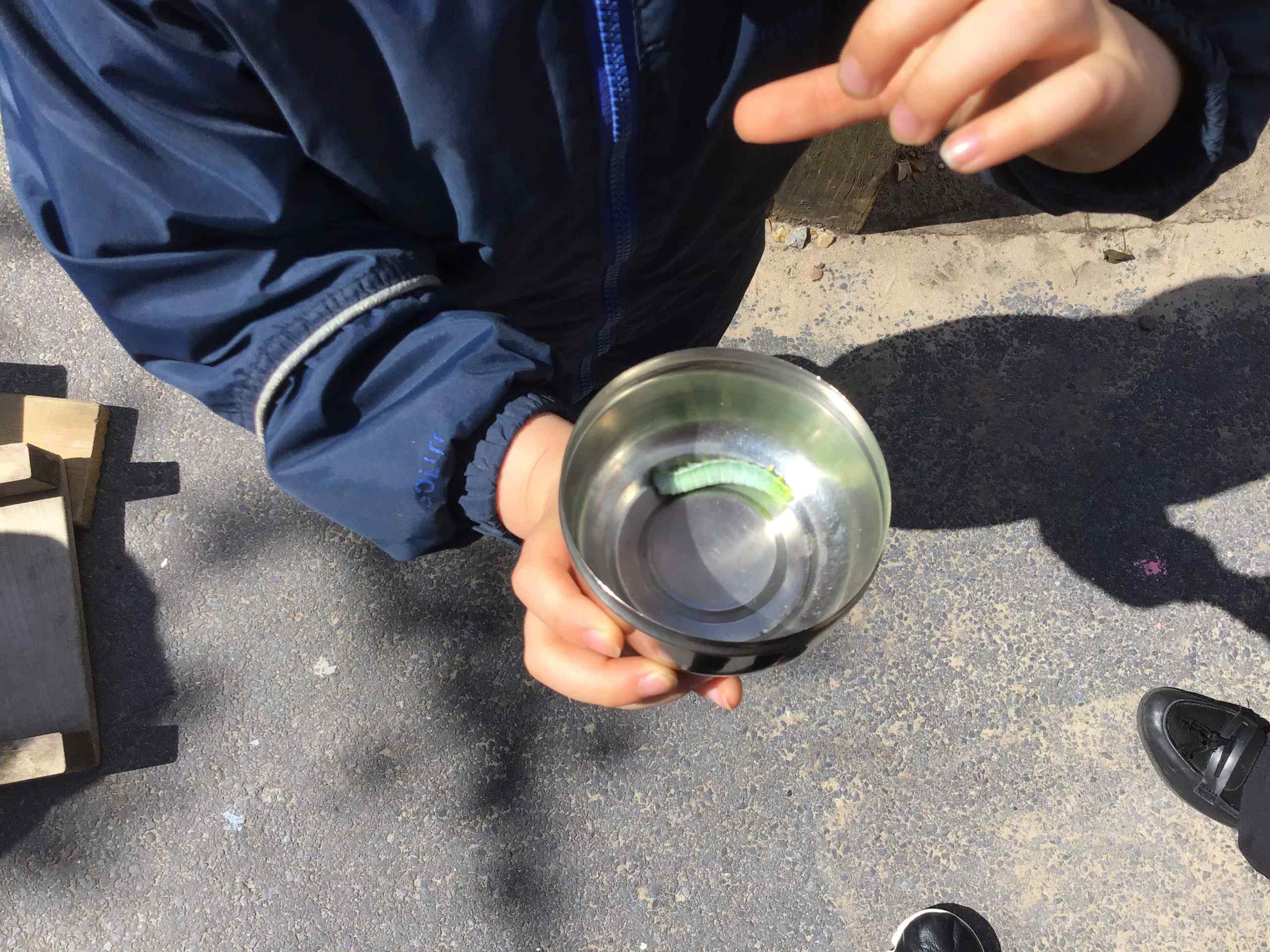
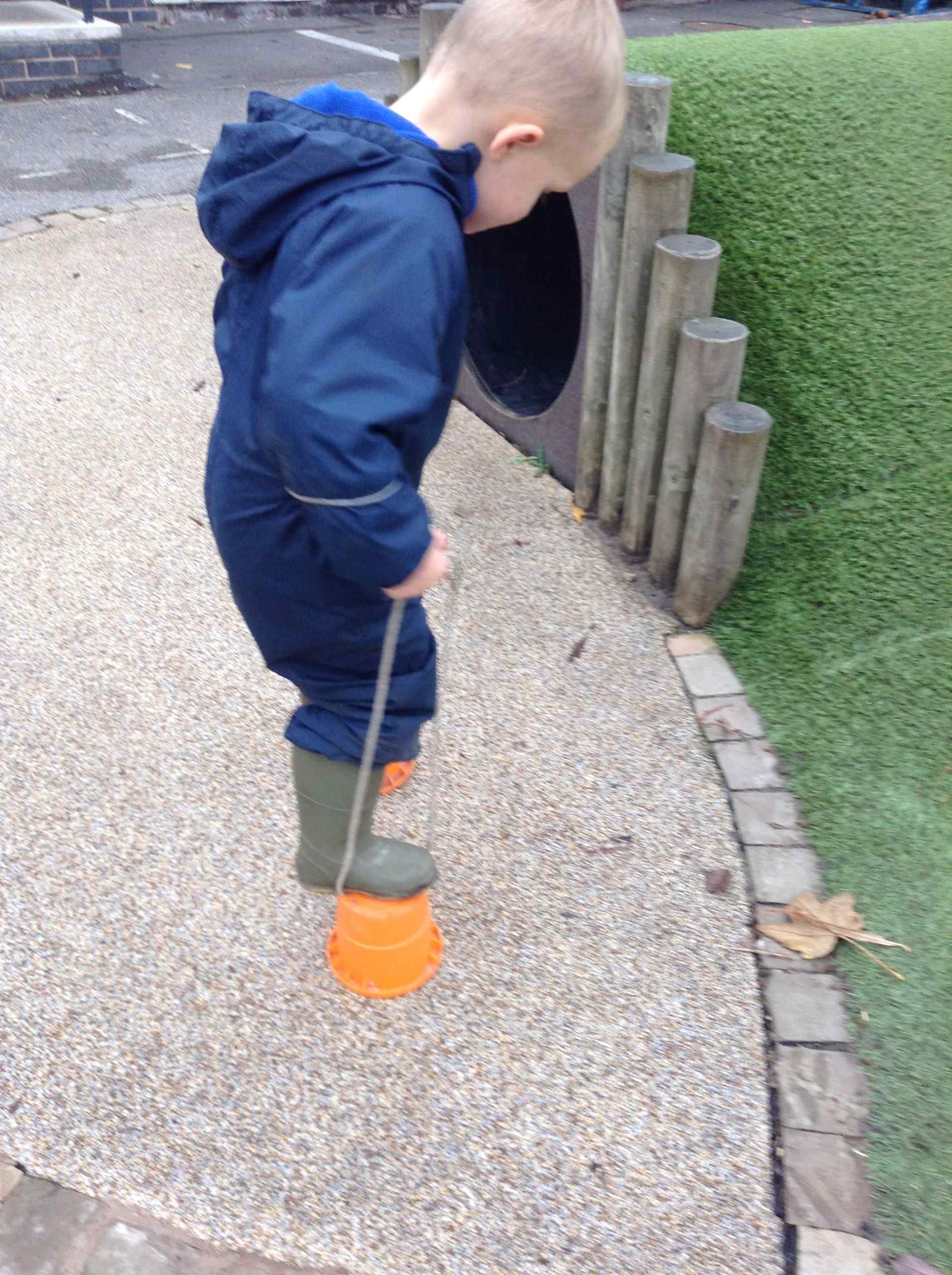
At Whitegate our outdoor environment is a key aspect to ensuring our children are provided with a wealth of opportunities to build these gross motor skills. Children are provided with a large open space to explore their spatial awareness and coordination, equipment that tests their strength and balance and safe environment to test what their bodies can do.
The adult role is vital to developing children’s confidence and self-esteem and adults support children throughout their physical journey, encouraging and challenging them to test their abilities.
Fine Motor (developing hand-eye coordination, increasing the strength and dexterity in hands by using tools, developing spacial awareness)
For our children, fine motor development can be an aspect of learning they find particularly difficult to master and at Whitegate we know how important fine motor control is to support a wide variety of skills in later life most notably holding a pen or pencil and using it to write or draw. Therefore, we have chosen to separate the pencil grip aspect of fine motor control and link it directly to Writing whilst the Physical Development aspect focuses entirely on how children are able to use other tools effectively and with good control.
Our children are naturally inquisitive and enjoy finding out about and using a variety of tools across all areas of learning. We provide the opportunities to develop their use of tools in a range of practical and innovative ways to enable our children to test their ideas and consider which tool might be best to achieve their goal.
Personal hygiene
This is a key area to a child’s development, we aim to work with parents to support them with understanding when their child may be ready for toilet training and to work with them to support this process. Children are also taught about washing their hands before and after eating and when playing with messy materials or outside.
Self-help skills
At Whitegate we promote independence and encourage children to complete tasks for themselves from washing and cutting up their own snack, to serving themselves at lunchtime to mixing their own paints and helping to prepare the playdough. Children are also taught how to put on and take off their own suits and wellies for outdoor play.
By the end of their journey at Whitegate we want our children to be confident with their bodies from their core down to their fingertips. We would like our children to be confident approaching physical challenges, having a good knowledge of their own body and what it is capable of. We want them to have an understanding of how to keep healthy, through diet and exercise.
At Whitegate we hope children leave us with an understanding of how to use a wide variety of tools and develop their own approach to using tools for a variety of ways to complete a task or achieve a goal. We want children to leave our school able to look after their own personal hygiene and self-care needs. We want them to be independent, capable and confident.
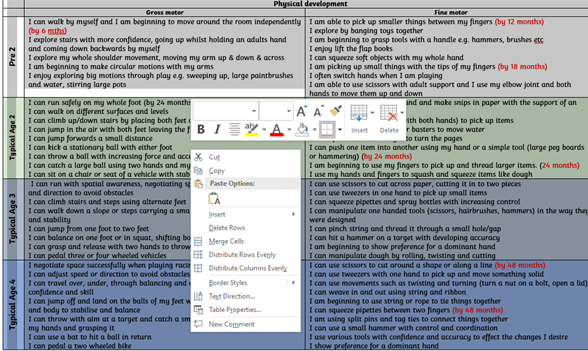

We have identified the key learning in Physical development based upon our knowledge of child development. We can identify whether a child is on track in their development and what their next steps should be using our learning sequences.